


Living With a Dog When You Have Allergies - What Actually Helps
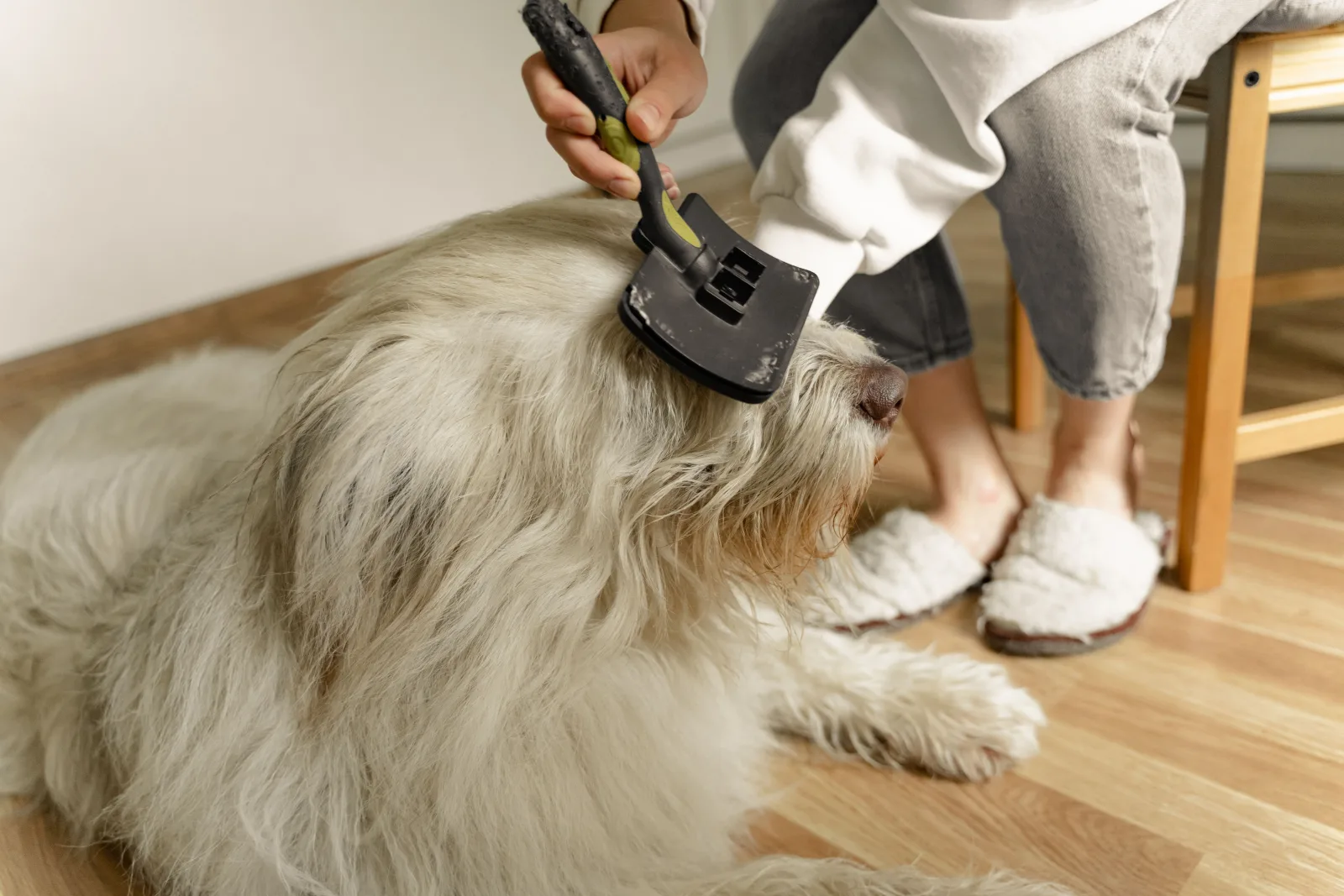
No dog is truly 100% hypoallergenic - that's a scientifically confirmed fact, not a debated opinion. Allergens come from proteins (mainly Can f 1) found in a dog's saliva and dander, not the fur itself, which is why coat length or shedding volume doesn't determine reaction strength. Living with a dog while managing allergies is realistic for many people through regular grooming, a HEPA air purifier, frequent cleaning and dog-free zones, especially the bedroom. For moderate to severe symptoms, seeing an allergist is essential, not optional.
You have a dog, you love them, and your immune system has other opinions on the matter. Before you believe the marketing behind a "hypoallergenic" breed, or give up on the idea of living with a dog altogether, it's worth knowing the facts - because the good news is that for many people, coexisting with a dog despite an allergy is genuinely achievable, it just takes consistency, not a miracle fix.
The hypoallergenic dog myth - facts, not marketing
Let's start with something that needs saying plainly: no dog is 100% hypoallergenic. This isn't an opinion - it's a consensus confirmed by allergists and scientific research: all dogs, regardless of breed, produce allergenic proteins. The term "hypoallergenic" literally means "causing fewer allergic reactions," not "none at all" - a key distinction that breeder and pet-shop marketing regularly blurs.
So what actually causes the reaction? Not the fur itself, as commonly assumed, but proteins - primarily an allergen called Can f 1, responsible for sensitisation in 50-76% of people with dog allergies. It's produced mainly in the salivary glands and carried by saliva and dander (skin flakes). A dog licks and grooms themselves, spreading the protein across their coat, from where it transfers to clothing, furniture, carpets and eventually the air you breathe. That's why coat length and shedding volume alone don't determine how strong a reaction will be - what matters is how much allergen a specific dog actually produces and spreads.
One more thing worth knowing: scientists have identified six different allergenic proteins in dogs (Can f 1 through 6), and some research suggests the reaction to a specific protein (such as Can f 5) may even depend on whether the dog is neutered. This shows just how individual the issue is - one dog might trigger a strong reaction in you, another almost none, regardless of breed.
If you're still deciding whether to adopt and are weighing breeds marketed as "allergy-friendly," our full guide to hypoallergenic dogs covers that in depth. This article focuses on something different - what to do once a dog is already part of your life.
Grooming - your first line of defence
Regular grooming is the most direct way to reduce the amount of allergen circulating in your home:
- Regular brushing, ideally outdoors or in an easy-to-clean space, and ideally by someone without allergies, if possible. Brushing removes loose fur and dander before it spreads through the whole home.
- Regular bathing - roughly every 1-2 weeks, depending on the breed and the dog's skin condition, genuinely reduces the amount of allergen on the coat. Bathing too often can dry out the skin, though, so it's worth setting the frequency with a vet or groomer, especially if the dog is prone to dry skin - more in our guide to dandruff in dogs.
- Seasonal shedding - autumn and spring shedding means more fur and allergen in the air. If your dog sheds heavily in autumn, it's worth stepping up brushing during that period - see our guide to autumn shedding.
Managing your home environment
- Dog-free zones - especially the bedroom. Since you spend several hours there uninterrupted, limiting allergen exposure specifically in that room genuinely reduces symptoms, even if the dog has full run of the rest of the flat.
- A HEPA-filter air purifier - the Can f 1 allergen has a small enough particle size to stay suspended in the air longer than larger allergens like plant pollen, making it easier to inhale deep into the respiratory tract. A good purifier genuinely helps capture some of those particles.
- Frequent cleaning - regular vacuuming (ideally with a HEPA-filter vacuum), washing the dog's bedding and household textiles at a high temperature, and mopping floors rather than only vacuuming carpets.
- Ventilation - regularly airing out rooms helps lower allergen concentration in an enclosed space.
None of these steps alone eliminates the allergen entirely - but applied together, consistently, they genuinely reduce daily exposure and symptoms for many people.
When it's not enough - the role of an allergist
Home strategies help with mild symptoms, but they don't replace a professional evaluation if the reaction is moderate or severe. It's worth seeing an allergist when:
- symptoms include breathing difficulty, worsening asthma, or a significant skin rash, not just a runny nose or watery eyes,
- you're considering bringing a specific dog into your home and want to assess your real reaction level before deciding,
- home allergen-reduction methods haven't brought improvement after several weeks of consistent effort.
An allergist can offer testing, antihistamines suited to your situation, and in some cases immunotherapy - decisions that should be made under a specialist's care, not based on an internet forum.
Living with a dog and allergies is possible for many people
An allergy diagnosis doesn't automatically mean giving up life with a dog - for many owners, consistent grooming, managing the home environment and, when needed, support from an allergist allow for a fully satisfying, healthy coexistence. The key is a realistic approach: don't count on a miracle breed that "doesn't trigger allergies," count on specific, repeatable habits that reduce exposure.
If allergies make long stretches indoors with the dog harder, here's some good news: most of your shared time is better spent outdoors anyway - a walk in a park or forest naturally means far less concentrated allergen than a closed living room. The DOGOUT map shows spots near you that support exactly that kind of healthier, shared daily rhythm with your dog.
Frequently asked questions
- Is there a dog breed guaranteed not to trigger my allergies?
- No - no dog, regardless of breed, is 100% hypoallergenic. All dogs produce allergenic proteins, mainly Can f 1, found in saliva and dander. Low-shedding breeds can reduce the amount of allergen spread around a home, but they don't eliminate it.
- Is a short-haired dog safer for an allergy sufferer than a long-haired one?
- Not necessarily - that's a common misconception. The allergy trigger is the protein in saliva and dander, not coat length itself. A short-haired dog that sheds heavily and licks themselves a lot can trigger a stronger reaction than a low-shedding, long-coated dog.
- How often should I bathe a dog to reduce allergens at home?
- Regular bathing (roughly every 1-2 weeks, depending on a groomer's or vet's advice and the dog's skin condition) genuinely reduces the amount of allergen on the coat. Bathing too often can dry out the dog's skin, though, so it's worth setting the frequency together with a vet or groomer.
- Does an air purifier actually help with dog allergies?
- Yes, a HEPA-filter air purifier helps capture airborne allergen particles, which, due to their small size, stay suspended in the air longer than larger allergens like pollen. It's one of the more effective, though not standalone, elements of reducing exposure.
- When should I see an allergist instead of managing it at home?
- Always, when symptoms are moderate or severe - a runny nose and watery eyes are one thing, but breathing difficulty, a significant rash, or worsening asthma call for a professional evaluation, not just home remedies. An allergist can also run tests to help assess your actual reaction level to a specific dog.