

The Most Popular Dog Names in DOGOUT, From Real Data
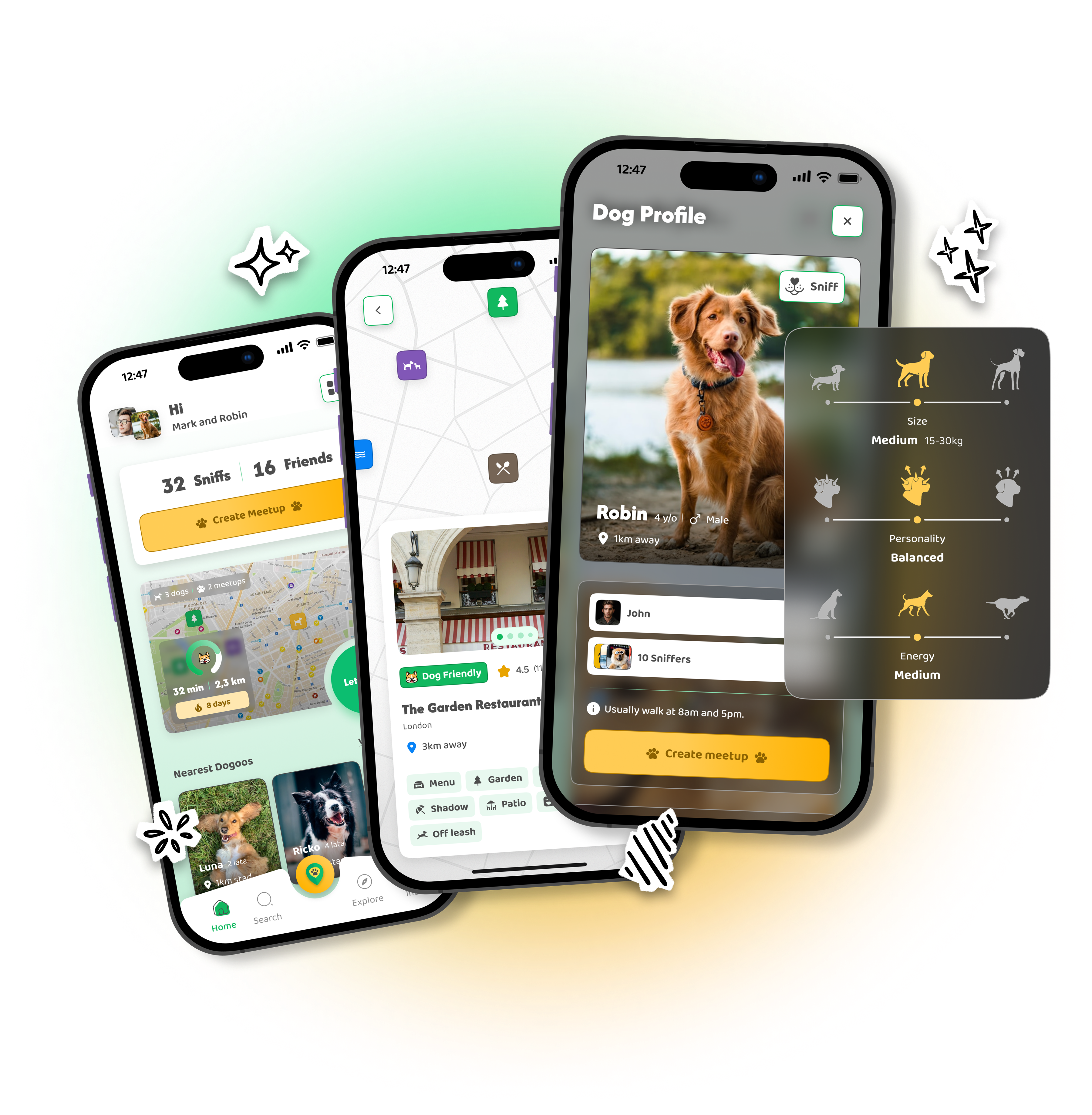
Based on 617 dog profiles in DOGOUT, the most popular name is Buddy (10 dogs), ahead of Molly (8) and a tie between Bruno and Lusia (6 each). This is a snapshot of the DOGOUT community as of August 1, 2026, not a census of every dog in Poland - but it's a genuinely interesting live picture of how dogs are named today: a mix of classic, internationally familiar names and distinctly Polish, playful nicknames.
Buddy, Molly, Bruno, Lusia - if you're hunting for name inspiration for a dog, or just curious how other owners name theirs, here's something a generic internet list won't give you: real data from a live community. Below is the name ranking from 617 dog profiles in DOGOUT - a sample from our app, not a census of every dog in Poland, but it has something a generic "100 best dog names" roundup doesn't: these are names actually worn by dogs walking around Polish cities right now.
Methodology - what this actually shows
The data comes from the DOGOUT app database, a snapshot from August 1, 2026, covering 617 dog profiles in total. Ties were broken alphabetically. This is not a study representative of all of Poland - it's a photograph of our community at one point in time. The lower the count, the shakier the ranking gets - the gap between 3 dogs and 2 dogs at this sample size is statistical noise, not a real trend.
Ranking - top 20 dog names in DOGOUT
| Rank | Name | Number of dogs |
|---|---|---|
| 1 | Buddy | 10 |
| 2 | Molly | 8 |
| 3-4 | Bruno | 6 |
| 3-4 | Lusia | 6 |
| 5-6 | Luna | 5 |
| 5-6 | Rico | 5 |
| 7-10 | Beza | 4 |
| 7-10 | Figa | 4 |
| 7-10 | Inka | 4 |
| 7-10 | Rocky | 4 |
| 11-20 | Brownie, Dante, Forest, Furia, Kira, Loki, Lola, Lulu, Milo, Misia, Monte, Pako | 3 each |
At 617 dogs, even a name with 10 occurrences is only about 1.6 percent of all profiles - no single name dominates, which is itself a useful takeaway: taste in dog names is highly spread out right now.
What an international reader should notice
For readers outside Poland, the split in this list is genuinely informative. Buddy, Molly, Bruno, Luna, Rocky, Brownie, Dante, Forest, Kira, Loki, Lola, Lulu, Milo, Monte, and Rico would all sound completely at home on a dog in the US, UK, or almost any English-speaking country - and that's roughly two-thirds of the top 20. The rest - Lusia, Beza, Figa, Inka, Furia, Misia, and Pako - are distinctly Polish and wouldn't translate as dog names abroad. Lusia is a Polish diminutive (from Luiza), Misia means "little bear," Pako is a playful Polish nickname, and Beza and Figa, as it turns out, are both food words.
The food-name pattern nobody expected
One thing only becomes visible on closer inspection: Figa, Beza, and Brownie are literally food names - fig, meringue, and chocolate brownie respectively. That's not a one-off coincidence, it's a visible pattern in the data: sweet, "edible" names seem to be a genuine niche among owners looking for something warm and a little playful instead of a classic dog name. Add Milo, which reads as a cocoa-drink brand name to many Polish speakers, and it starts to look like a coherent little trend.
Mythology and pop culture play a role too. Loki (the Norse god, popularised further by the Marvel films), Dante (literary, and simply a strong-sounding name), Kira, and Furia are names that wouldn't have shown up in a ranking like this a decade ago in these numbers. Pop culture is visibly shaping how dogs get named today, alongside the classics - names like the Polish equivalents of "Rex" or "Fido" are notably absent from our top 20 entirely.
Short, two-syllable names win. Buddy, Molly, Bruno, Luna, Rocky, Lusia, Kira, Loki, Lola, Lulu, and Milo - most of the top tier is easy to shout across a park with no wasted syllables. That's a practical pattern, not an aesthetic one: a name that's awkward to call out fast doesn't hold up well in real life with a puppy chasing a squirrel.
What's missing from the ranking
Just as telling as what made the top 20 is what didn't. Classic Polish dog names from earlier decades don't appear anywhere near the top of our data. That may point to a generational shift in how dogs get named: fewer utilitarian, "yard dog" names, more names that sound like a family member's rather than a working animal's. It fits a broader trend where a dog is increasingly treated as a full member of the household, not just a functional animal.
Why this data, not another list off the internet
Most articles about popular dog names are compilations with no stated source - someone assembled a "most popular names" list without saying where the numbers came from. Our ranking has one clear advantage: we know exactly where every number comes from, because these are real profiles in our app, not a guess. That doesn't make it representative of all of Poland, but it does make it genuine within what it actually shows.
Looking for a name for your own dog?
If you're weighing up a name, this ranking can be a starting point, but what ultimately matters is what fits the two of you, not what happens to be trending. For more on choosing a dog and what's worth thinking about before you commit to a breed, see how to choose a dog breed.
See what dogs are named near you
A national ranking is one thing, but it gets more interesting locally - add your dog's profile in DOGOUT and see what names the dogs walking closest to you actually carry. Maybe your neighbourhood leans Bruno and Rocky, maybe it's Lusia and Figa - it's the kind of small detail that only gets interesting once you zoom in to your own street.
Frequently asked questions
- What's the most popular dog name in DOGOUT?
- Buddy - it's the name of 10 out of 617 dogs in our database, about 1.6 percent of all profiles. Molly comes second with 8.
- Does this data represent all dogs in Poland?
- No - this is a sample from the DOGOUT community (617 dog profiles as of August 1, 2026), not a census or a nationally representative survey. It shows how our users actually name their dogs, but we don't extrapolate it to the whole country.
- Why do some names in the ranking only have 3 occurrences?
- At a sample of 617 dogs, the difference between a name with 3 occurrences and one with 2 isn't statistically meaningful - it's noise, not a trend. We include them for a complete picture, but treat anything below roughly 5 occurrences as a curiosity, not a firm ranking.
- Are Polish or international names more common in the ranking?
- A mix. The top spots are dominated by universal names - Buddy, Molly, Bruno, Luna, Rocky - but distinctly Polish, playful nicknames like Lusia, Beza, Figa, or Misia hold a strong share too, with no direct equivalent abroad.
- Where does this data come from?
- From the DOGOUT app database - real names entered by owners in their dogs' profiles, anonymised and aggregated. A snapshot from August 1, 2026, covering 617 dog profiles.