Off-Leash Training - Step by Step and Safely
Off-leash training starts long before you unclip the lead - the foundation is a reliable recall and your dog's attention on you. You build it in stages: first at home and in the garden, then on a long line in a quiet spot, and only at the end off the line in a safe, enclosed area. The key is building your dog's habit of checking where you are and generously rewarding every return. Mind the rules too - a lead is required in many places, and some dogs must be muzzled. Only let your dog off where it's permitted and safe for the dog and its surroundings.
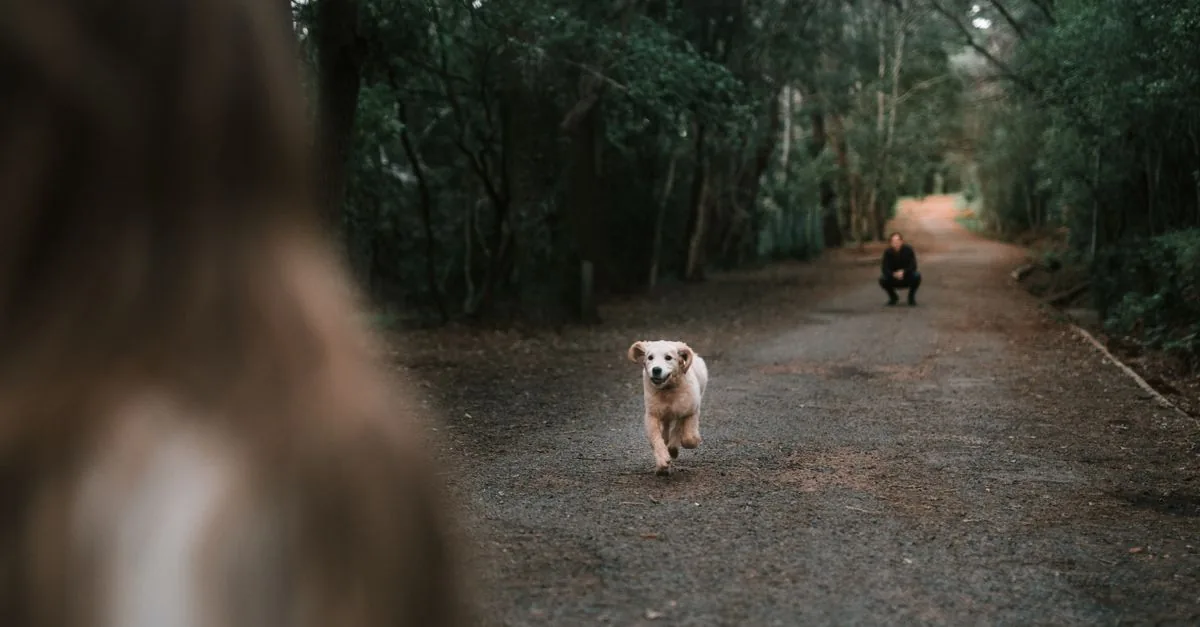
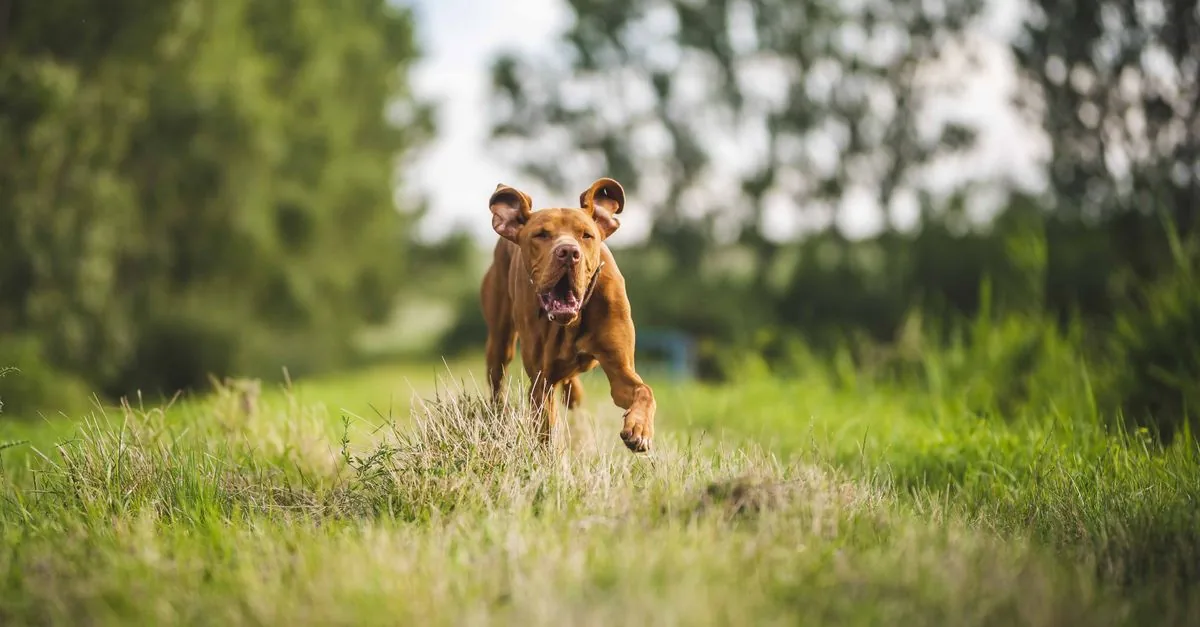
The sight of a dog running free across a meadow and then coming back to its owner on its own is a dream for many people. Walking off the lead gives a dog more freedom, movement and chances to sniff - but it takes a solid foundation and plenty of common sense. It isn't something that just "happens": it's the result of consistent training that begins long before the first time you unclip the lead. Below we show how to do it safely and in stages.
Before you start - the foundation you can't skip
Off-lead walking isn't a separate skill but the result of several others. Before you even think about going leadless, your dog should have mastered:
- a reliable recall - the absolute basics, without which the rest is pointless. More on building it in our guide to teaching a recall,
- attention on the owner - the habit of regularly checking where you are,
- the ability to work through distractions - responding to you when something interesting is happening nearby.
If any of these is missing, letting your dog off in open ground is premature. Off-lead training is essentially bringing these skills to a level where they work even without the physical control of a line.
Stage 1 - work at home and in the garden
Start where it's safe and distractions are few. At home and in the garden, practise:
- recall in a cheerful tone finished with a generous reward,
- the habit of following you - reward the dog for coming over and checking where you are of its own accord,
- short changes of direction - walk, suddenly change course, and reward the dog when it follows.
The aim is to make staying close to you worthwhile and enjoyable for the dog. At this stage the dog learns that you are the most interesting point of reference.
Stage 2 - a long line in calm terrain
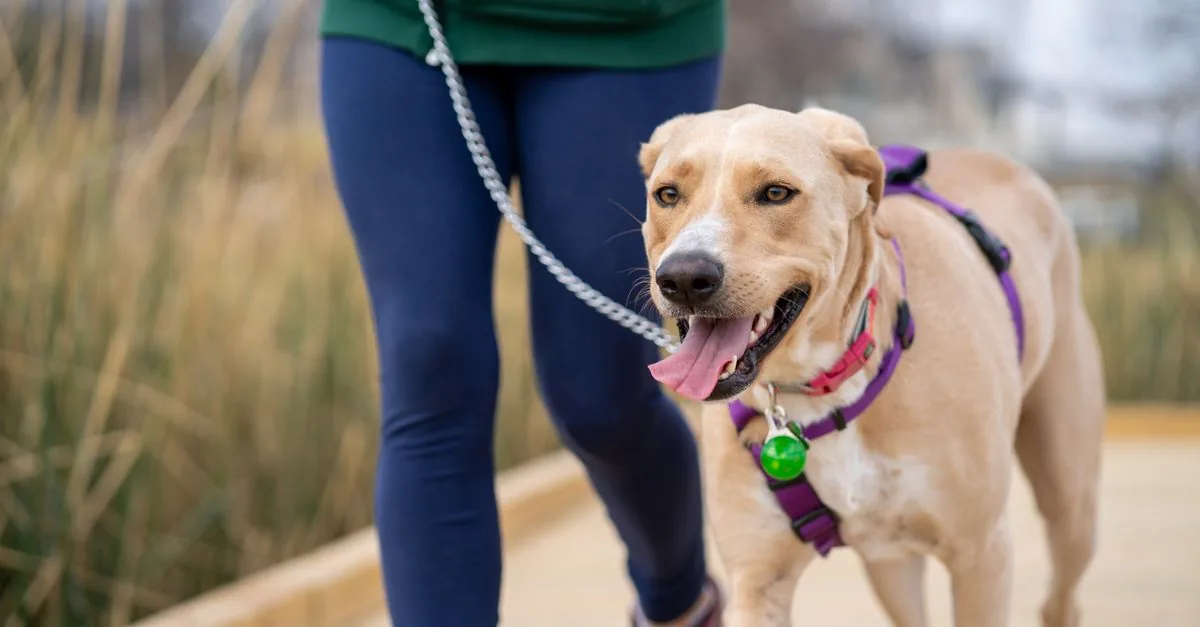
This is the most important and most often skipped stage. A long training line (5-10 metres) clipped to a well-fitted harness gives the dog a sense of freedom while keeping you in control and safe.
On the long line:
- let the dog move away and sniff, and every so often recall it and reward the return generously,
- practise in increasingly demanding places - add distractions gradually,
- never jerk the line like a correction lead - it's a safeguard, not a punishment tool,
- clip it to a harness, not a collar, because a sudden jerk over distance can injure the dog's neck.
This stage can last weeks or even months - and that's fine. The more solid the work here, the safer the off-lead walking later.
Stage 3 - the first moments off the line
You move to off-lead only once the dog returns to a recall reliably, even with distractions, across the full length of the line. Make the first attempts:
- in a safe, ideally enclosed area, away from traffic and other hazards,
- brief - a few minutes off, then back on,
- in calm conditions, without crowds of dogs and people,
- with very good rewards for every return.
| Stage | Place | Goal |
|---|---|---|
| 1. Foundation | Home, garden | Recall and focus without distractions |
| 2. Long line | Quiet terrain | Freedom while keeping control |
| 3. First off-lead | Safe, enclosed area | Short sessions off the line |
| 4. Generalisation | Various permitted places | Cementing the habit in new conditions |
Common off-leash training mistakes
A few traps can set the whole training back:
- Unclipping too soon - before the recall is truly ready. One escape can teach a dog that off-lead means freedom without consequences.
- Punishing a dog that came back - even if it took a while. The dog will remember that returning ends unpleasantly and won't come next time.
- Recalling only to end the fun - if every recall means the walk is over, the dog stops wanting to return. Recall sometimes "for practice" and let it go again.
- Boring rewards - freedom and sniffing are powerful competition. Coming back has to earn something genuinely worthwhile.
When a line is the better choice
It's worth saying plainly: not every dog is suited to free off-lead walking in every place. Dogs with a very strong prey drive, marked reactivity to other dogs or an unreliable recall may need a line on - and that isn't a failure, it's responsibility towards the dog and its surroundings.
In such cases a long training line works brilliantly as a permanent solution: it gives the dog plenty of freedom and the chance to sniff while removing the risk. For many dogs, a whistle as a clear, always-identical recall signal makes a huge difference - more on that method in our guide to whistle training a dog.
Safety and rules
Before you let your dog off the lead, check whether it's allowed in that spot. Rules vary locally, and in many parks, streets and urban areas a lead is required, sometimes a muzzle too. Responsibility for the dog's behaviour always rests with the owner, so going off-lead only makes sense where it's permitted and safe for the dog and its surroundings.
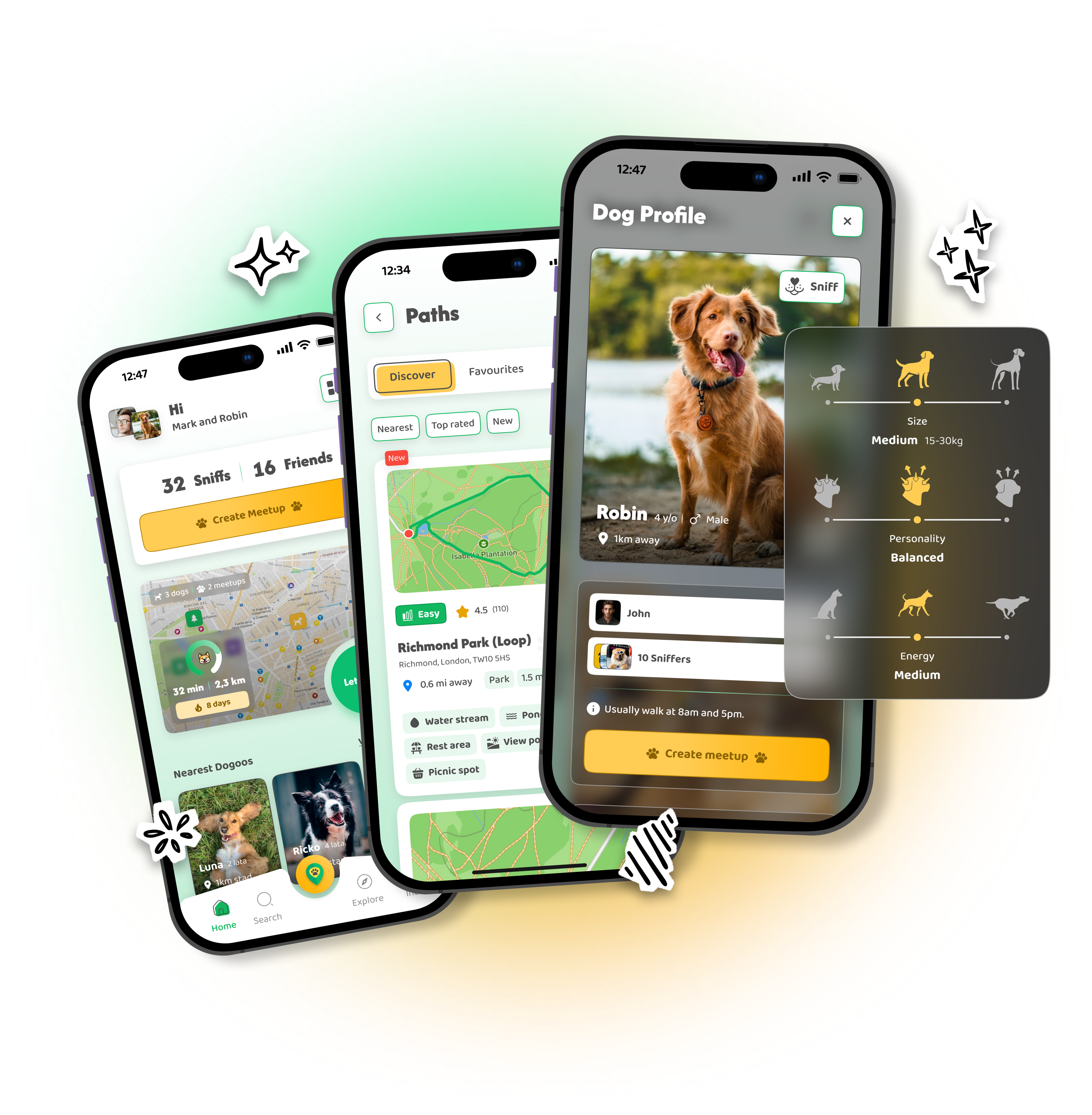
Good, safe places to train - enclosed meadows, quiet areas away from traffic - are easier to find when a community of other owners points them out. On the DOGOUT app you can check places flagged by people in your area and plan a walk at a quieter time.
In summary
Off-leash training is a marathon, not a sprint. The foundation is a reliable recall and your dog's attention on you, built patiently from home, through the long line, to the first off-lead moments in a safe place. Don't rush, reward returns generously and never punish a dog for coming back. And if your dog needs a line on - that's fine too. A dog's freedom starts with your responsibility.
Frequently asked questions
- Where do I start with off-leash training?
- With a solid recall and your dog's attention on you, practised first at home and in the garden where there are few distractions. Only once the dog returns reliably in calm conditions do you move to a long line outdoors, and finally to off-lead in a safe area. Rushing this stage is the biggest mistake - better to spend a few extra weeks than to lose control.
- At what age can you train a dog off leash?
- You can practise recall and focus basics with a puppy, and it's a good time because a young dog naturally stays close to its owner. Letting a dog off in open ground, however, needs maturity and a firmly established recall, which comes later for many dogs. There's no fixed age limit - what counts is the level of training, not the birthday.
- Can every dog be trained to walk off leash?
- Not every dog is suited to free off-lead walking in every place. Dogs with a strong prey drive, marked reactivity or a weak recall may need a line on for safety. That isn't a failure, it's responsibility. In such cases a long training line is a good alternative, giving freedom without the risk.
- What if my dog won't come back when called?
- Never punish a dog that finally returned - otherwise you teach it that coming back ends unpleasantly. Step back to an easier stage, return to the long line and rebuild the value of the recall with very good rewards. If the dog regularly ignores the call, the recall isn't ready for off-lead yet - that's a sign not to let it loose in open ground.
- What kit helps with off-leash training?
- The most important item is a long training line (5-10 metres) clipped to a well-fitted harness, giving the dog freedom and you control. High-value treats help, and possibly a whistle as a clear recall signal. Avoid clipping a long line to a collar, as a sudden jerk can injure the dog's neck.
- Can I let my dog off the lead in public?
- It depends on the place - rules vary locally, and in many parks, streets and urban areas a lead is required. Some dogs are also subject to muzzle rules. Always check local rules and site regulations, and only let your dog off where it's permitted and safe. Responsibility for the dog's behaviour rests with the owner.