Autumn forest walks with a dog - the best season and its traps
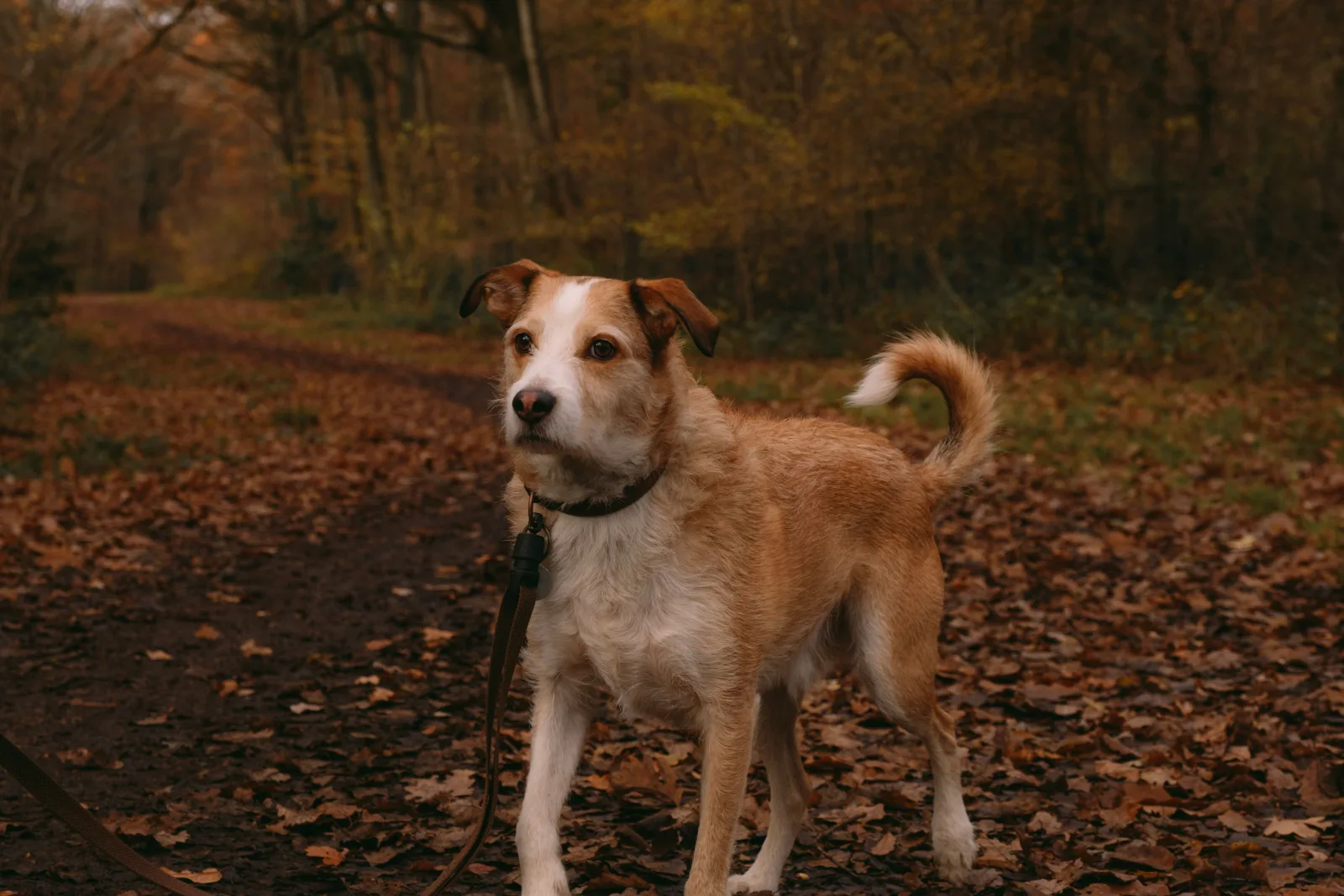
Autumn is the best time of year for long forest walks with a dog: no heat, fewer people, and damp air that carries scent so well that most dogs keep their nose down for the whole route. Five things need attention: ticks, which reach a second activity peak in autumn, mushrooms and fallen fruit picked up off the ground, the driven hunt season, dusk arriving much earlier, and dogs getting cold once wet, especially short-coated dogs, puppies and seniors. Polish law also bans letting a dog off leash in a forest.
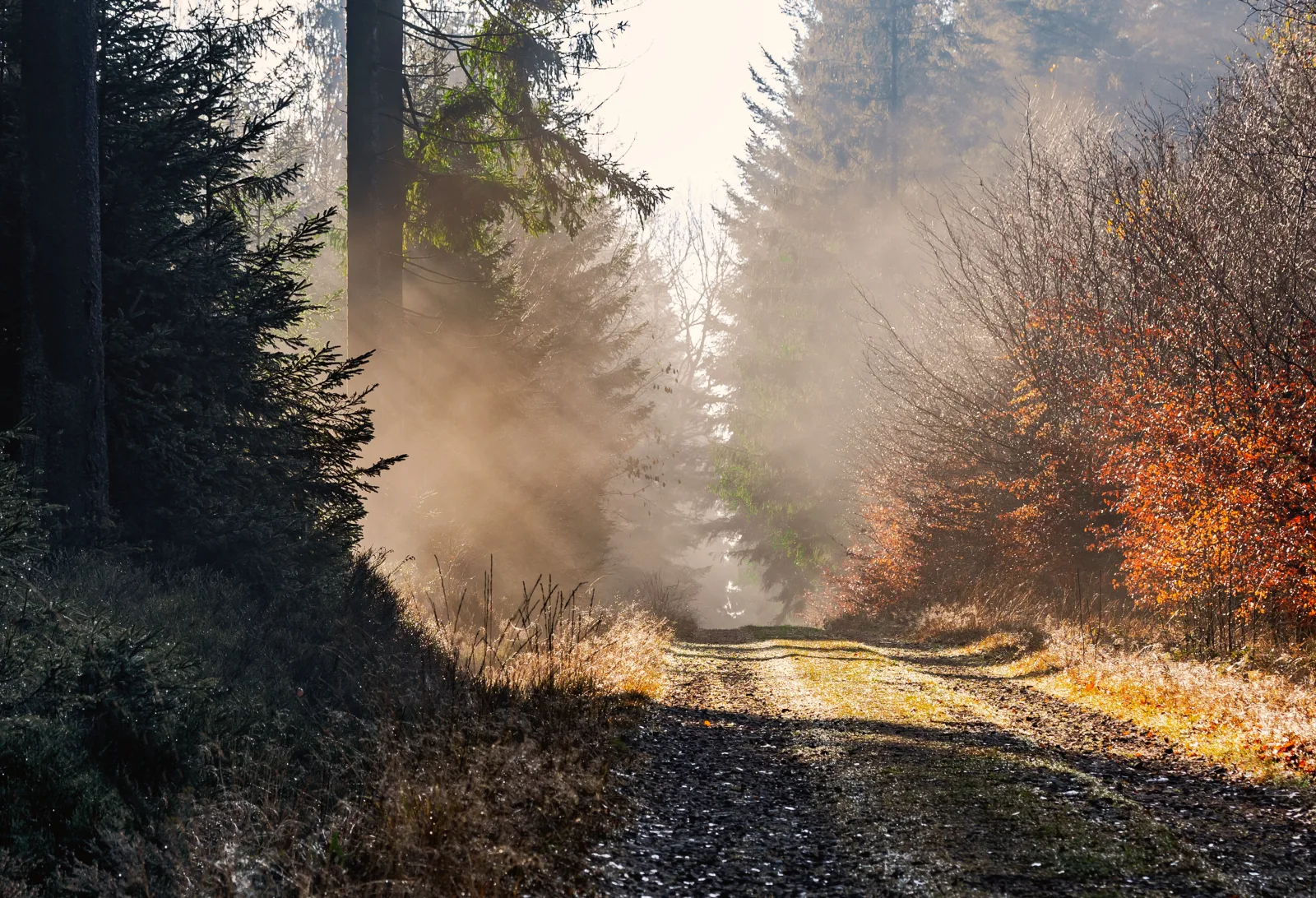
An autumn forest is the best thing you can give a dog all year. No heat cutting every walk in half, no crowds, and cool damp air that carries scent so well that even a calm dog will work its nose for an hour straight. Sniffing tires a dog mentally more than distance does, so a genuinely tired, satisfied dog is easier to achieve in October than in July.
There are only a few things that change with the season and are easy to forget.
1. Tick season does not end in August
This is the most common autumn mistake. Ticks in this climate stay active while temperatures hold roughly above 5 degrees Celsius, and autumn, with mild warmth and high humidity, suits them perfectly. Plenty of owners stop prevention after the holidays, and that is exactly when a dog picks one up.
In practice: keep prevention going as your vet advises until proper frosts arrive, and check your dog after every forest walk, especially ears, armpits, groin and around the muzzle. More in our piece on ticks on dogs.
2. Everything on the ground suddenly looks edible
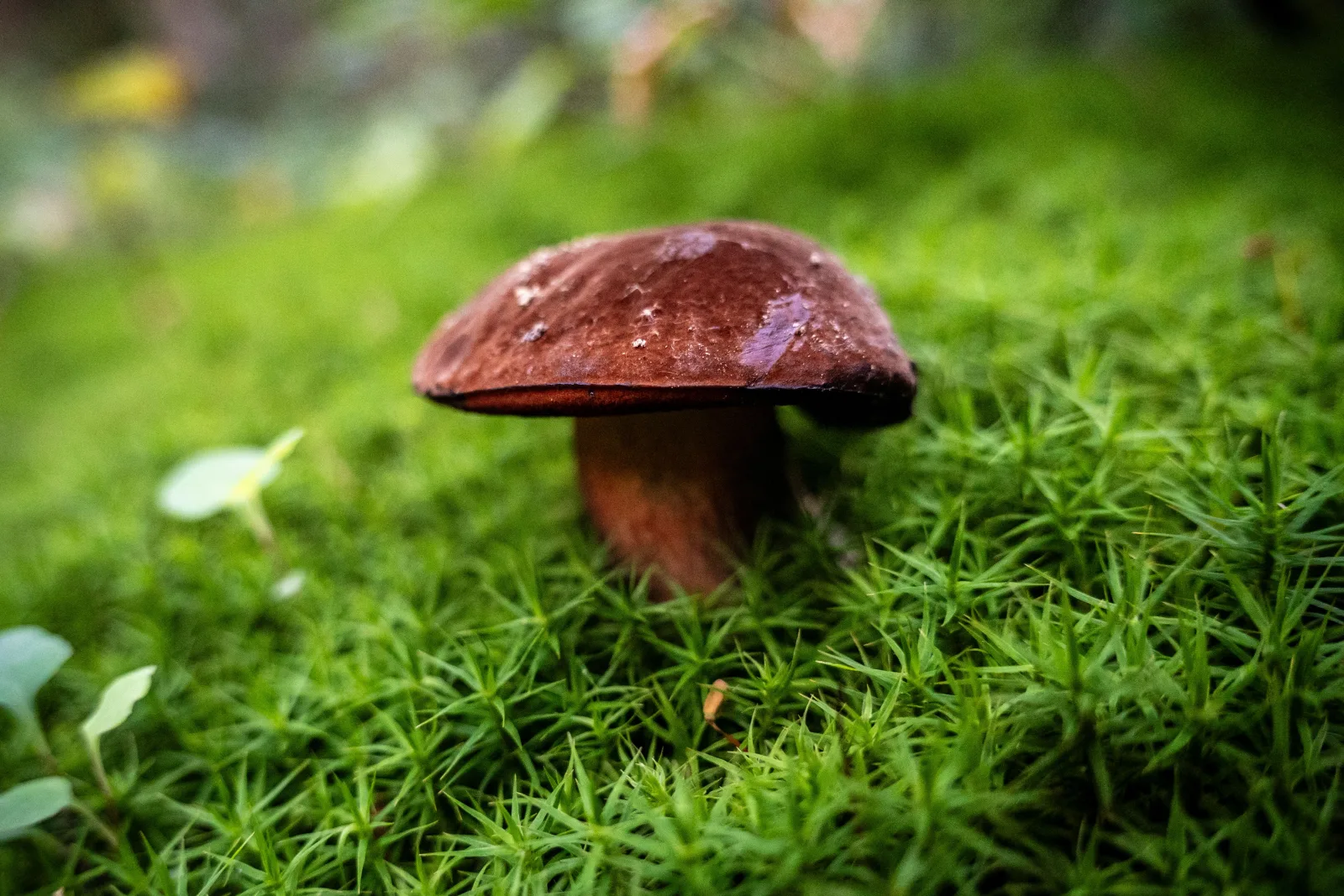
September and October bring mushrooms, acorns, conkers and fallen fruit. A dog that normally picks up nothing can start in autumn, simply because the forest smells different.
- Mushrooms. A dog cannot tell species apart, and death cap poisoning damages the liver with delayed symptoms. If your dog swallowed something, call the vet rather than waiting for vomiting.
- Acorns and conkers. Both contain compounds that cause vomiting, diarrhoea and abdominal pain in dogs, and a larger conker can cause an intestinal blockage. Details in our guide to acorns and conkers.
- Carrion and scraps. Cooler weather slows decomposition, so finds lie around longer and smell more tempting.
If your dog hoovers up everything, autumn is a good moment to work on a solid "leave it" calmly at home, before you need it in the woods.
3. Driven hunt season
From October, driven hunts take place across many hunting districts. Their dates and locations are public: the hunting club notifies the municipality at least 14 days ahead and the authority publishes a notice on its website. Checking before the weekend takes a minute and is covered step by step in our guide to hunting season and dog walks.
4. Dusk comes earlier than you remember
By late October the afternoon walk has become a night walk. Forest tracks are shared with cyclists, quad bikes and forestry vehicles, and a black dog without reflective gear is effectively invisible. A hi-vis vest, a light-up tag and a headtorch solve the problem for very little money. More in our guide to walking a dog after dark.
5. A wet dog cools down faster than you think
Rain plus wind is a completely different proposition from cold alone. Short-coated dogs, puppies, seniors, sick dogs and very lean dogs lose heat fastest. The signals to turn back are simple: shivering, slowing down, a tucked tail, repeated stopping or trying to hide.
Once home, dry your dog properly, paying attention to the belly, the paws and the spaces between the pads where mud collects. A dry bed and a warm spot handle the rest.
What to pack so you are not improvising
- headtorch and reflective gear for both of you,
- water and a folding bowl, because a dog working its nose drinks more than you expect,
- a towel that lives permanently in the car,
- tweezers or a tick hook,
- poo bags, in autumn and in the woods too.
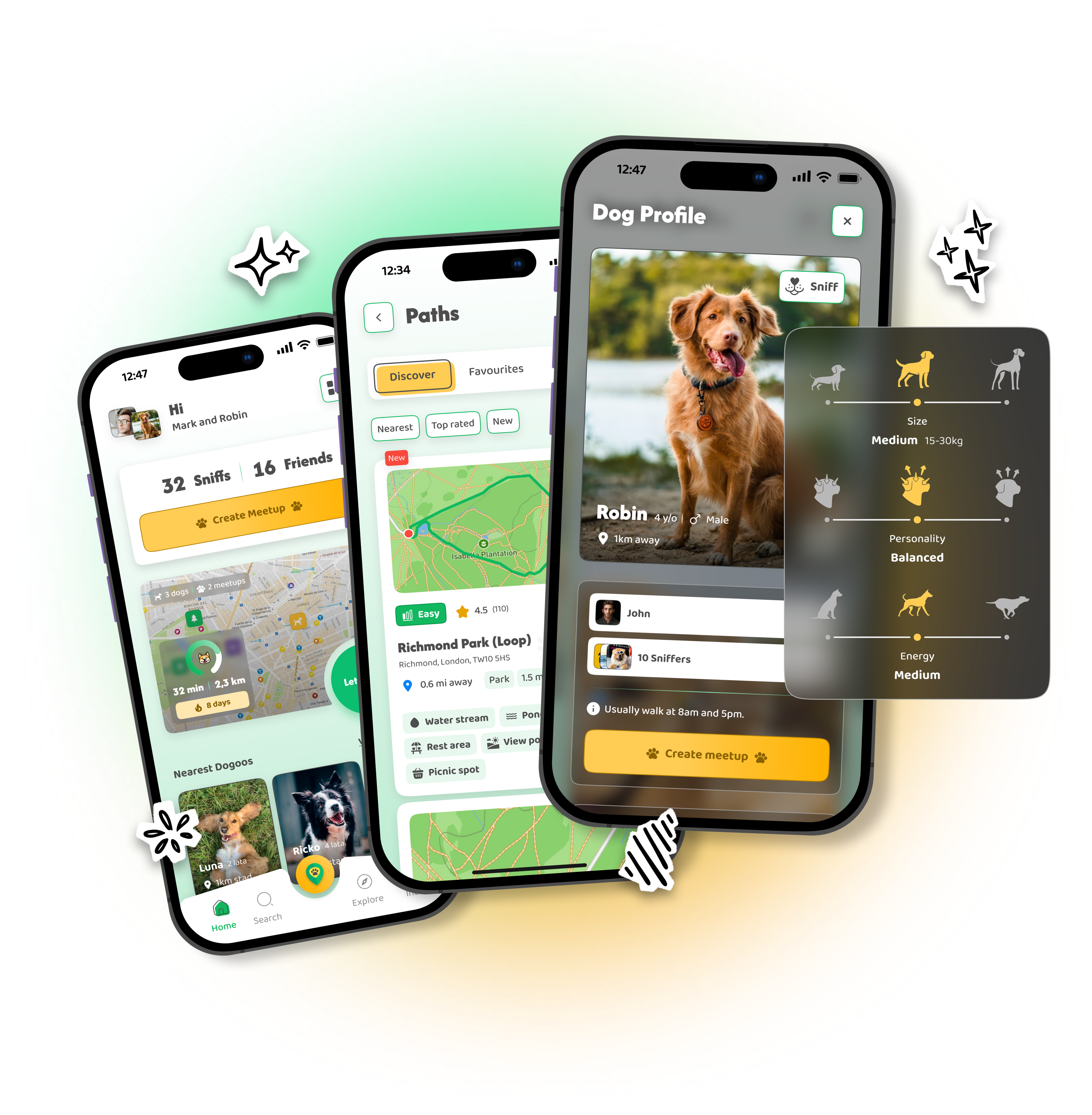
The autumn forest is worth all five checks. See where your local crew walks at this time of year on the DOGOUT map, and add the route you know best.
Frequently asked questions
- Are ticks still a threat to dogs in autumn?
- Yes. Autumn is the second activity peak for ticks in central Europe, and they feed while temperatures stay roughly above 5 degrees Celsius. September and October can be worse than a hot August, so do not stop prevention after the summer holidays.
- What if my dog eats a mushroom in the woods?
- Treat it seriously. A dog cannot tell an edible species from a toxic one, and the most dangerous poisonings, such as death cap, damage the liver and show symptoms late. If you suspect your dog swallowed a mushroom, call your vet and, if you can, take a sample of the same mushroom with you.
- How long before a dog gets cold on an autumn walk?
- It depends on coat and movement more than on the clock. A short-coated dog, a puppy, a senior or a sick dog will get cold in wet, windy weather far faster than a husky in motion. Shivering, slowing down, a tucked tail and stopping repeatedly are your signals to head back.
- Can my dog walk off leash in the forest?
- No. Polish forest law bans off-leash dogs in forests, and breaking it carries a fine or a formal reprimand. In autumn you also have driven hunts and far more wildlife movement to consider.
- What should I bring on an autumn forest walk?
- A headtorch, reflective gear for both of you, water, a towel left in the car, poo bags and a tick remover. If you walk after dark, add a light-up collar or LED tag.