

Is Your Dog an Introvert or an Extrovert?
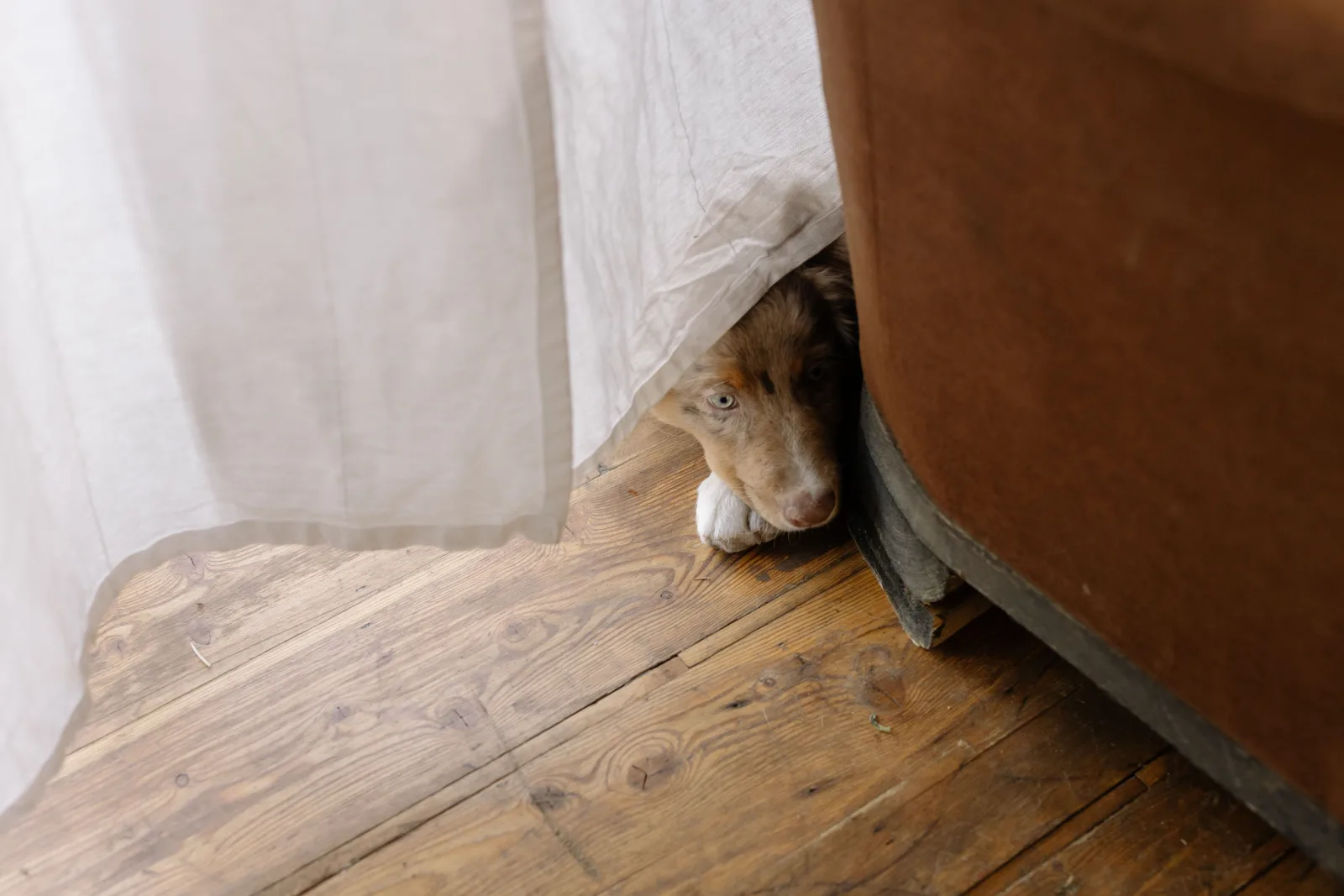
Dogs, like people, have an individual temperament that is not fully determined by breed - some greet every dog on a walk with enthusiasm, others need distance and time to warm up. Researchers describe this as a continuum from bold dogs (proactive, quick to explore) to shy dogs (reactive, cautious). Neither extreme is a problem - the problem is forcing a dog into a socialization style that does not match their nature.
One dog spots another on a walk, speeds up, wags their tail and pulls straight toward them. Another dog, same breed, raised in the same house, slows down, tucks in behind their owner's leg and looks like they would rather the other dog did not exist at all. The difference is not a training failure. It is temperament - and researchers know more about it than you might expect.
Dogs really do have personalities - it is not projection
For years, the popular assumption was that attributing "personality" to dogs was pure anthropomorphism - projecting human traits onto an animal that does not really have them. Research from the last few decades tells a different story. Researchers at the University of Pennsylvania developed the C-BARQ (Canine Behavioral Assessment and Research Questionnaire), a research tool that scores dogs across five dimensions: sociability, playfulness, chase-proneness, aggressiveness, and curiosity/fearfulness. Studies using this questionnaire consistently show that individual differences in canine temperament are real, measurable and significant - both within the same breed and across breeds.
The scale from bold to shy
One of the best-documented dimensions of animal temperament - not just in dogs - is the shy-bold continuum. It describes how an animal copes with stress and new situations:
- Bold dogs (proactive) - quickly explore new surroundings, actively try to "manage" a new situation, readily approach unfamiliar dogs and people.
- Shy dogs (reactive) - prefer to observe from a distance, need more time to get comfortable with novelty, more often choose to withdraw than confront.
This is not a split between "good" and "bad" dogs. These are two different, entirely natural ways of coping with the world, occurring across the dog population much as they do in other vertebrate species - humans included.
Breed is not the whole story
It is tempting to assume temperament is a simple function of breed - that every Border Collie is alert and driven, and every Labrador is easygoing and social. Breed does shape certain tendencies, but research into canine personality shows that individual variation within a breed can be just as large as variation between breeds. Two puppies from the same litter, raised in similar conditions, can grow into dogs with completely different approaches to new dogs and people.
It is also worth separating two traits that are easy to confuse: sociability toward people, and the desire to play with other dogs. A dog can adore their owner's company and visitors at home, and still have no interest in playing with every dog they meet on a walk - that is not a contradiction, just a different dimension of temperament.
How to spot your dog's temperament
Instead of chasing a single label, watch specific situations:
| Situation | More "extroverted" dog | More "introverted" dog |
|---|---|---|
| New place on a walk | Runs off to sniff and explore boldly | Observes from a distance first, sniffs cautiously |
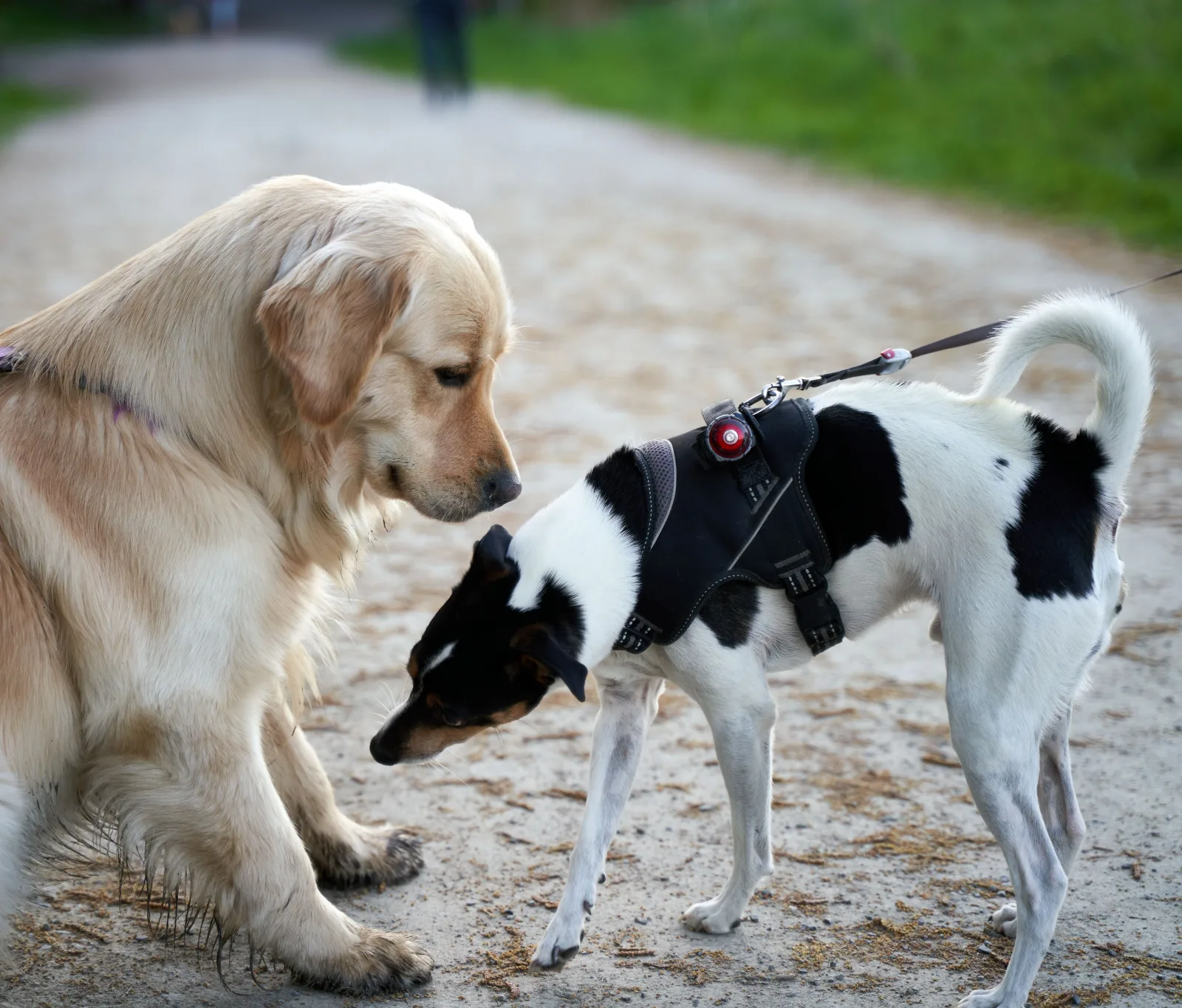
| Meeting an unfamiliar dog | Runs up, initiates contact | Keeps distance, watches from behind their owner |
| Guests at home | Greets enthusiastically, seeks attention | Withdraws, needs time before approaching |
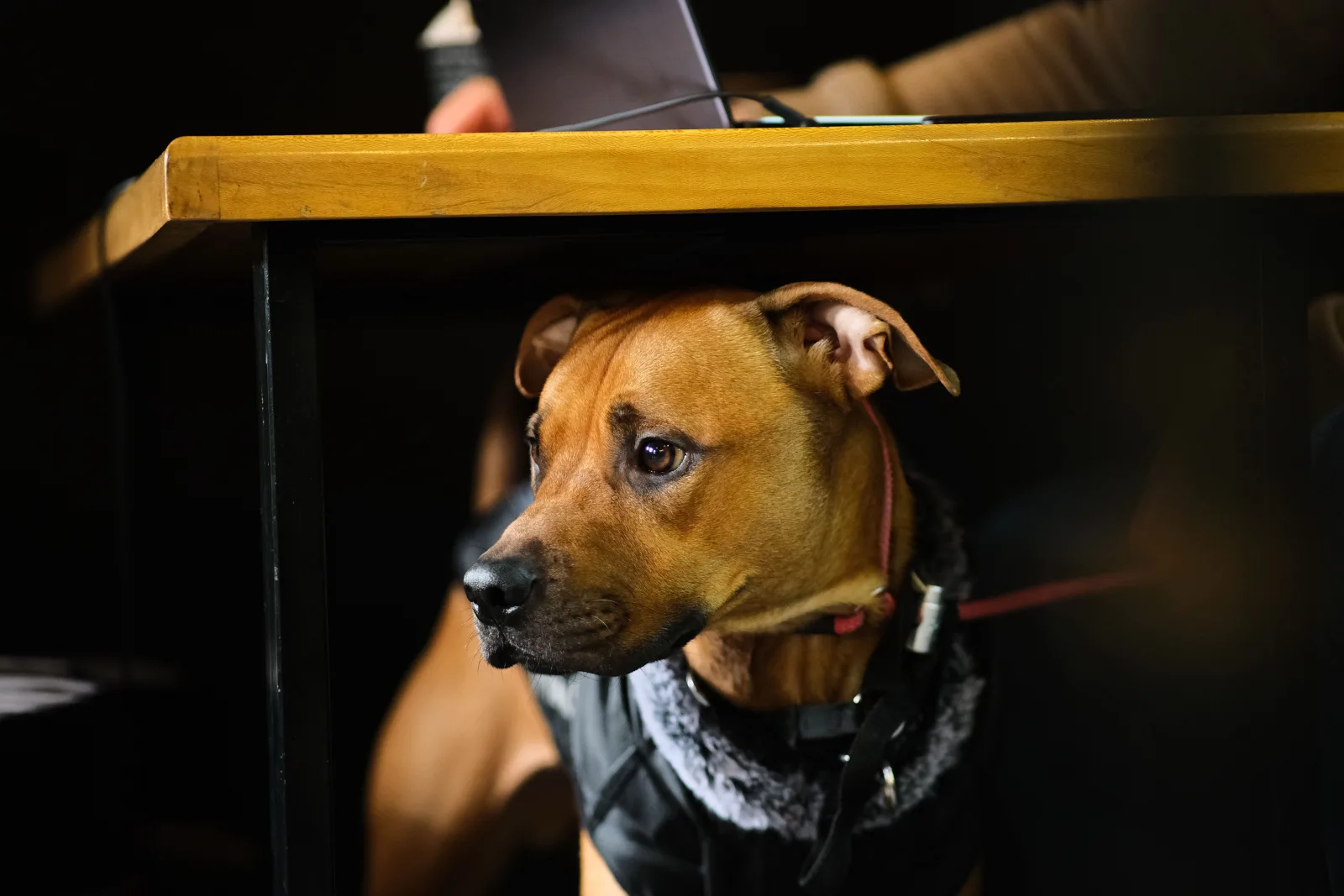
| Loud, crowded places | Excited but engaged | Tense, looking for an exit or a place to hide |
Neither profile is "better." It is a real, stable trait worth working with rather than forcing a change on.
Simple temperament tests you can try at home
You do not need a scientific questionnaire to get a sense of which way your dog's temperament leans. A few simple, informal observations tell you a lot:
- The novel object test - place something your dog has never seen before in a room (a box, an unusual toy). A bold dog usually approaches and investigates within seconds to a minute. A shy dog circles it from a distance or avoids it entirely.
- The unfamiliar sound test - play a quiet, neutral sound your dog does not recognize. A quick return to normal activity after a moment of curiosity signals boldness. Prolonged avoidance of the sound's source, or hiding, points to more caution.
- The stranger approach test - watch how your dog reacts when someone unfamiliar (but calm and neutral) enters the room without direct contact with the dog. Does your dog approach first, or wait and observe?
No single test is a verdict - what matters is a repeated pattern across several different situations, not a one-off reaction.
Does temperament change with age
Temperament is a relatively stable trait, but not entirely fixed. A puppy who was very bold early on may become more selective and cautious around unfamiliar dogs as they mature - normal social maturation, similar to how openness to new acquaintances shifts in people with age. On the other hand, a single, strongly negative experience - an attack by another dog, a traumatic vet visit - can permanently shift a dog toward more caution, even if they were previously a bold type.
The good news is that behavioral work - consistent, positive exposure to new situations at a safe pace - can partly soften excessive shyness, though it rarely changes a dog's baseline temperament entirely. The goal should not be "turning your dog into someone else," but helping them function comfortably within their own nature.
Why this matters for you as an owner
Understanding your dog's temperament changes how you plan their day. A more introverted dog will likely appreciate quieter, less crowded walking routes and contact with other dogs on their own terms - from a distance, at their own pace. A more extroverted dog might actually need more frequent company to avoid boredom.
Forcing a shy dog to "be social" - marching them up to every dog you meet, loudly encouraging play - usually deepens stress instead of relieving it. Likewise, limiting social contact for a dog who clearly craves it can lead to frustration and over-excitement. The key is matching your walking and socialization style to who your dog actually is, not who they "should" be.
If you want to learn to read the signals your dog gives in a given moment - tension, relaxation, wanting contact or wanting space - start with our guide to dog body language. It is the foundation for recognizing temperament in practice, not just in theory.
Find a pace that fits the two of you
Whether your dog dives headfirst into every meeting or prefers to watch from a safe distance, DOGOUT lets you look for company on your own terms. On the map you will find owners nearby and can arrange a walk at a pace that works for both dogs, with no pressure to "become best friends" on day one.
Frequently asked questions
- Is there real science behind dogs having different temperaments?
- Yes. Researchers at the University of Pennsylvania developed the C-BARQ questionnaire, which assesses five personality dimensions in dogs - sociability, playfulness, chase-proneness, aggressiveness, and curiosity/fearfulness. Studies using it consistently show that individual temperament differences in dogs are real, measurable and significant, both within and across breeds.
- Is a shy dog worse trained than a bold one?
- No. Shyness is a temperament trait, not the result of training mistakes. Bold and shy dogs simply cope with stress differently - it is natural variation within the population, similar to what we see in humans.
- Does breed determine a dog's temperament?
- Breed influences certain tendencies - energy level, wariness, playfulness - but it does not fully determine individual character. Two dogs of the same breed, even from the same litter, can grow up with completely different social temperaments.
- How do I help a shy dog on a walk?
- Do not force interaction with every dog you meet. Let them observe from a distance, praise calm behaviour, and respect the pace at which they decide to approach on their own. Forced meetings usually deepen insecurity instead of resolving it.
- Does a sociable dog always want to play with every other dog?
- Not necessarily. Sociability toward people and the desire to play with other dogs are often two separate traits. A dog can love human company and still prefer calmly passing other dogs without playing - and that is perfectly fine too.